Why Health History Matters in Herbal Care
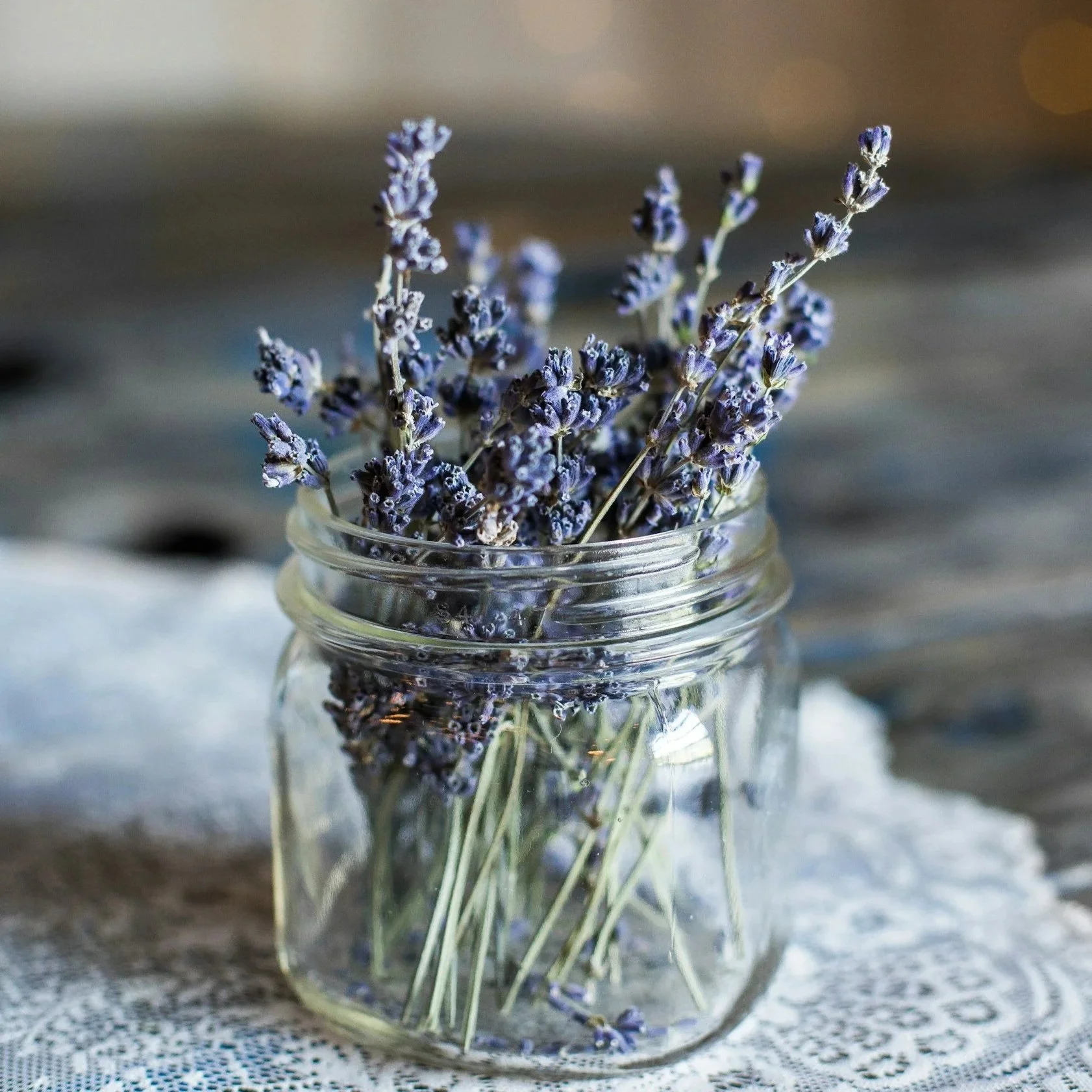
Thoughtful herbal care begins with understanding the person.
When you come to an herbal consultation, you may already have a plant in mind. Perhaps a friend loves a particular tea, or you’ve read about an herb that sounds like exactly what you need.
It’s natural to feel hopeful about finding something that might help. Before making a recommendation, though, I want to understand your story.
What has your body been through? What are you taking now? What has helped in the past, and what hasn’t agreed with you?
These questions are part of caring for you well. An herb’s usefulness depends on more than its reputation. It also depends on the person taking it.
Your history helps guide your care
A health history includes current and past diagnoses, surgeries, allergies, medications, supplements, and previous reactions to herbs. Pregnancy, breastfeeding, and plans for surgery matter, too. Certain health conditions and medications can change whether an herbal preparation is appropriate, and many herbal supplements have limited safety information during pregnancy and breastfeeding.
In a clinical herbal consultation, we also explore your everyday experience: digestion, sleep, energy, appetite, stress, and the changes you’ve noticed over time.
Your medical history provides essential safety information. Your lived experience helps us understand your needs and preferences. Both deserve attention.
The same herb may not suit everyone
Licorice root offers a useful example. It has a long history in Western herbal practice, but preparations containing glycyrrhizin can raise blood pressure and lower potassium. This makes a history of high blood pressure, heart disease, or kidney problems especially important to know before considering it.
Someone may be drawn to an herbal blend because of its intended benefits without realizing that one ingredient deserves closer consideration.
Knowing the person’s history allows us to pause, assess the preparation, and choose a more suitable direction when needed.
Everything you take belongs in the conversation
Please include prescription medicines, occasional over-the-counter products, vitamins, minerals, herbal teas, tinctures, powders, and supplements.
It is easy to forget something you take only occasionally—or a tea you think of simply as a comforting drink. Bringing the containers or photographs of the labels can help us see the ingredients, amounts, and preparations clearly.
Some herbs can change how medicines work. St. John’s wort, for example, can reduce the effectiveness of certain medicines, including hormonal birth control, and can cause serious serotonin-related effects when combined with some antidepressants. The exact medicine matters when checking an interaction.
Sharing your medication list helps us make informed choices. When a combination needs further review, a pharmacist or prescribing clinician can help assess it. Prescribed medicines should never be stopped or adjusted to make room for an herb without guidance from the prescriber.
Past experiences deserve to be heard
Have you ever taken an herb that left you feeling uncomfortable? Did a supplement seem to worsen your digestion? Have you had an allergic reaction?
I want to hear about those experiences, even if you aren’t certain what caused them.
We may not be able to explain every reaction immediately. Still, knowing what happened, which product you used, and how much you took gives us a more thoughtful starting point.
The preparation matters as well. A tea, tincture, and concentrated extract can deliver different amounts of a plant’s constituents. Recording the actual product and dose is more useful than knowing the herb’s name alone.
Your care should change when your circumstances change
A health history is an ongoing conversation.
Please share new diagnoses, medication changes, pregnancy, upcoming procedures, or unexpected symptoms during follow-up. Before surgery, your surgical team needs to know about your herbal products because some can affect bleeding or interact with medicines used around the procedure. The team should give you specific instructions about what to pause and when.
Sometimes the next step is to adjust an herbal plan. Sometimes it is to wait or seek further assessment before adding anything new. Thoughtful care includes recognizing when we need more information.
What to bring to your first consultation
You don’t need a perfectly organized medical folder. A few notes are a helpful beginning:
Your current and significant past health conditions.
Prescription and over-the-counter medicines, including doses.
Herbs, supplements, and regularly used herbal teas.
Allergies and previous reactions.
Relevant surgeries, upcoming procedures, and pregnancy or breastfeeding status.
Recent test results, if available.
Your main concerns and what you hope to gain from herbal support.
If you don’t remember something, we can identify what needs clarification together.
Listening is part of herbal care
At Bella Zen, understanding your history is one of the first ways I care for you.
I want recommendations to reflect your needs, the realities of your daily life, and the information necessary to make thoughtful choices. That takes time, attention, and an honest conversation.
Before we choose a plant, we begin with you.
